
The women who put friendship over disagreement
Philippi is one of my favourite cities, and after docking at the port of Neapoli, it is a pleasant seven mile walk along the well paved Via Egnatia to the city of Philippi. A stroll in the sunshine around the streets, baths, temples and market squares made me feel I was on holiday. But, like anywhere, you need to be aware of pickpockets only too happy to part an unwary traveller from their purse.
One of my first assignments was to interview a woman called Lydia, who was one of the first to believe in Jesus in Philippi, and Abigail, her young slave whom she rescued. She invited Paul and Silas into her home and when they left, they commissioned her to lead the small church which meets in her home. This time I was returning to interview two more women, Euodia and Syntyche.
I followed the directions, passing through the forum and main baths down the hill towards a row of brightly painted gates on my right. Sure enough, there was a red gate with a sign of the fish etched into the stonework. A sign that Christians live there. I was about the pull the bell rope when a loud high-pitched laughing sound came from inside, which was followed by a deeper chuckle. My hand hovered on the rope as it went quiet, and then the laughter started up again, this time louder than the first. When I eventually pulled the rope, the gate was opened by a woman of about 45 years of age, with tears running down her face.
“Oh, Aemilia, you’re early. We didn’t expect you yet.”
“The ship arrived early, and… arghh,” She pulled my arm and thrust me into the courtyard where I nearly toppled into a rosemary bush.
The woman steadied me with a giggle and said. “I’m Syntyche and this is my best friend, Euodia. This is her home.”
Euodia quickly pulled a shawl over her head and greeted me with a kiss. She was a younger woman of about 35 years and dressed in a plain blue tunic with a shawl of deep red. Syntyche pulled off the shawl and Euodia’s black hair fell over her shoulder on the right side of her head. The hair on the left was styled in tight, neat curls.
“Excuse my hair, Aemilia,” she said. “Syntyche was halfway through it. But she was so engrossed in telling me a story about her grandson’s antics that she stabbed me in the scalp with a sharp hairpin.”
“You were laughing so much that you moved your head, so it is not all my fault.” Syntyche pushed her friend’s shoulders to sit on the stool once more. “Do you mind if I finish her hair? I won’t be long.”
Thirty minutes later, Euodia, now with exquisitely styled hair on both sides of her head, served me wine and refreshments in the cool courtyard. I put down my cup and took a breath to ask a question, but before I could make a sound, Syntyche undid the neat bun at the nape of my neck and fussed over my hair.
“What are you doing?” I turned to stare at her.
She lifted my dark hair to see how long it was. “What do you think, Euodia? How shall we style it?”
“It’s a nice length. We can do a lot with it.” Euodia replied. “We will answer your questions, Aemilia, on one condition. That you allow us to style your hair?”
As I wanted the interview and had travelled so far, there wasn’t a lot I could do. After a few minutes, they had decided what they were going to do and had made a start.
Syntyche laughed. “You may ask your questions now,” she said.
“You know Paul, I believe,” I said, trying to keep my head still.
Euodia passed her friend a hairpin. “Yes, we do! We worked with him on several occasions. When was the first time, Syn?”
“We met him in Lydia’s house. That was his first visit to Philippi before he was arrested. Then…”
“Then when he returned a year later, we went with him into the villages around the city.”
“That was exciting, wasn’t it?”
“We worked with him and his companions, speaking to the villagers, healing the sick and…”
“… telling people about Jesus.”
“Yes and praying with people.”
“It was amazing! I hear that you know Paul, Aemilia.”
The two women spoke quickly and finished off each other’s sentences. Unless they stopped and took a breath, I would not get a word in.
Before they could continue, I said, “He stayed with us in Rome, and my mother and I cared for him when he was under house arrest.”
Syntyche moved to sit opposite me, as Euodia took over the styling. “What have you heard about us?”
“I heard you fell out, but I don’t know why.”
Behind me, Euodia sighed. Syntyche looked up at her, smiled and sighed in response. She held out her hand and Euodia grasped it.
“The reason why didn’t matter then, and it matters even less now,” she said. “I’m so sorry that I let a dispute spoil our friendship.”
“The saddest part was that we dragged our families and other friends into the dispute. Poor Lydia was tearing her hair out, not knowing what to do. In the end, she wrote to Paul.”
“I was not happy about that.”
“Neither was I.”
“Paul sent a letter to the church in Philippi, and we got a mention.”
“Not a mention we would’ve wanted, was it?”
I took the opportunity in a pause in their conversation to say, “Paul would be upset to hear about your disagreement. He values unity above all else.”
“He said in his letter that we both worked hard with him to tell others the good news, but you can hear his disappointment between the lines.”
“I think that’s what hurt most of all.”
“What happened next?” I asked.
Syntyche breathed in and let it out with a deep sigh behind me. “I received a letter from Lydia asking me to go to her house and meet with her.”
“And I got a letter from her as well.”
“When I arrived, I saw Euodia sat with Lydia and realised we’d been set up. I nearly turned around and went home, but I was tired…”
“Yes, tired of our disagreement, and I missed my best friend.”
“Within five minutes we were crying into each other’s shoulders.”
“If I’d known I wouldn’t have put on my good dress, it was covered in tears and …”
“As was mine!”
“It was so nice to get my best friend back. We had a lot of catching up to do.”
“Not to mention the state of your hair!”
“Yours was worse!”
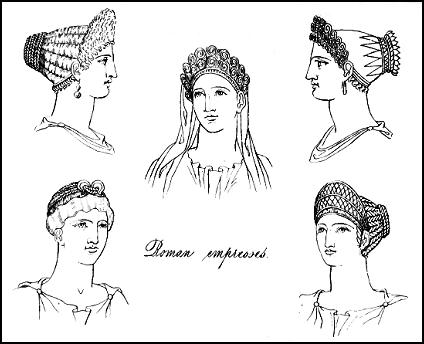
The two women laughed and embraced. Syntyche handed me a mirror, and I looked at my reflection. They had styled it high up at the front, making me three inches taller. A hairpiece was sewn into the back and my plaited hair wrapped around it. An impressive hairstyle which would not go amiss in the emperor’s palace.
With arms around each other, they surveyed their handiwork and agreed that I now had a hairstyle to be proud of.
“Beautiful, Euodia.”
“Well done, Syn.”
Paul writes about Euodia and Syntyche in his letter to the Philippians, chapter 4, verses 2-3. He appeals to them to settle their disagreement, without saying what the nature of their conflict was. It was plain to see his love for his coworkers. He says he toiled with them, spreading the Gospel’s good news. Their love of elaborate hairstyles is purely my invention!
Aemilia Metella interviews Lydia, the woman who made a choice
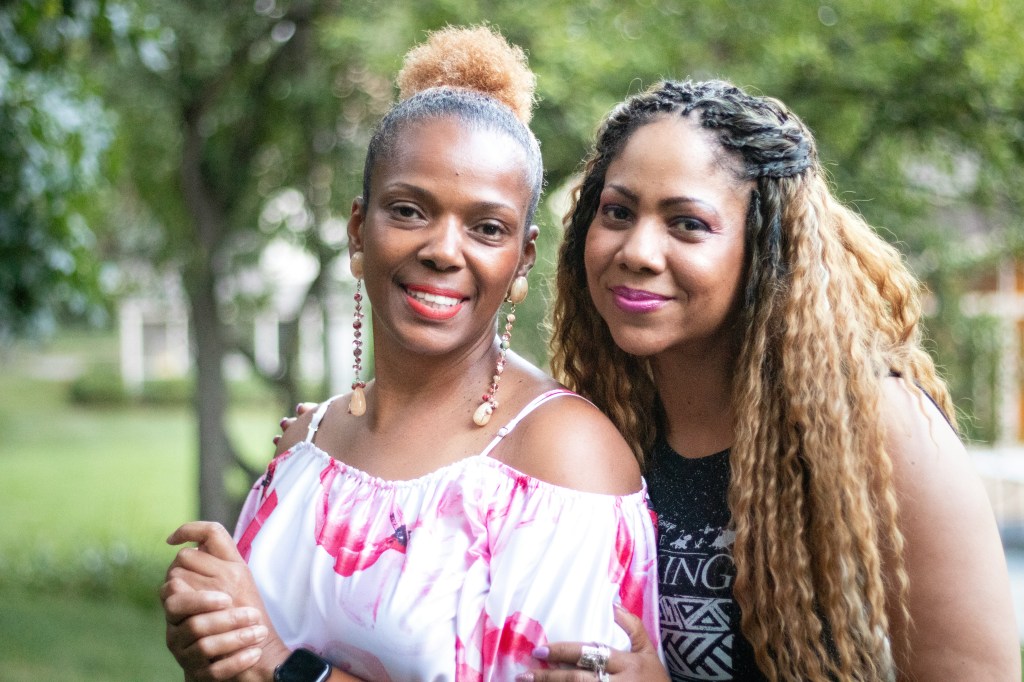
Photo by Antreina Stone on Unsplash
“We worked with him and his companions, speaking to the villagers, healing the sick and…”
“… telling people about Jesus.”
“Yes and praying with people.”

Photo by Lisa Forkner on Unsplash
Paul would be upset to hear about your disagreement. He values unity above all else.
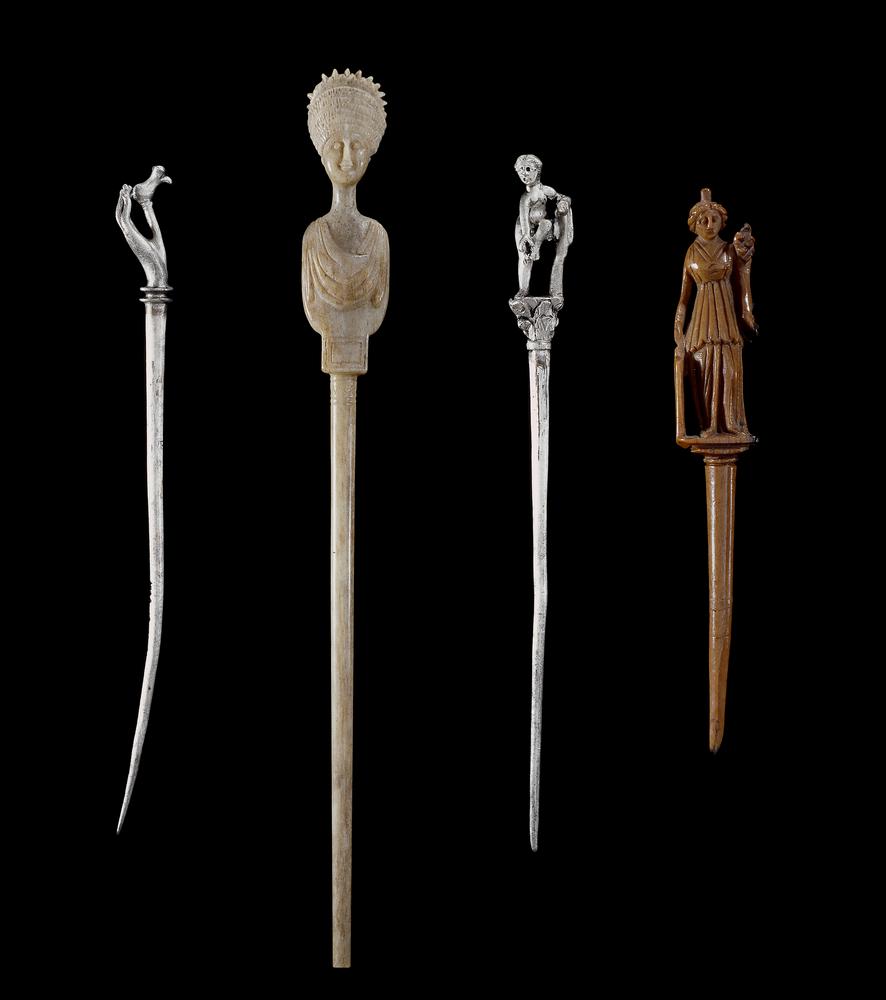
Roman Hair Pins
Attribution-NonCommercial-ShareAlike 4.0 International (CC BY-NC-SA 4.0) license.
“The reasons why didn’t matter then, and it matters even less now,” she said. “I’m so sorry that I let a dispute spoil our friendship.”
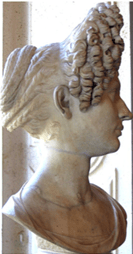
The Fonseca Bust at the Musei Capitolini Rome

Naples National Archaeological Museum, CC BY-SA 2.0 <https://creativecommons.org/licenses/by-sa/2.0>, via Wikimedia Commons
Aemilia Metella interviews Abigail, a slave girl given a future

Susan Sutherland is the author of the Leaving Bethany Trilogy. To buy Leaving Bethany, Return to Caesarea and Advance from Antioch please go to the buy page.
If you like Susan’s blogs sign up for the mailing list and receive a free copy of The Aemilia Metella Interviews.

