
Recently, I have had the opportunity to teach creative writing workshops and discuss my Biblical fiction novels. One question I am frequently asked is how I create the world of the New Testament and weave a story around the Biblical characters. Thorough research and factual accuracy are essential, but after the research is complete, imagination is crucial in transforming those facts into a compelling story. Like many historical and Biblical fiction writers, I shape the narrative to fit historical truth, not altering facts to suit the story.
Like a woven fabric, the facts are the warp threads that run lengthwise and are held taut under tension on the loom. They provide the strength and the structure. My creativity is the weft threads, sometimes known as the filler, which are passed over and under the warp threads to create the fabric’s pattern.
I have always had an active imagination, as a child playing make-believe and making up stories. When I became a Christian, I was told that the imagination was, if not wrong, then less valuable to faith and belief in the Word. You just had to read the Bible and believe it. That was enough.
Since then, we have rediscovered the creative gifts. We sing, dance, paint, draw, arrange flowers and indeed write. Creative expression is now recognised as a meaningful way to worship, pray, inspire others, and share God’s message.
Midrash
Midrash is an interpretation of the Torah (the first five books of the Hebrew Scriptures) that seeks to answer religious questions by plumbing the meaning of the words in the Torah. One definition of Midrash is:
“Midrash responds to contemporary problems and crafts new stories, making connections between new Jewish realities and the unchanging biblical text.” (1)
The text is unchanging, but in writing Biblical fiction, we respond and engage with it in a contemporary and creative way. The root word darash means to “resort to, seek, seek with care, enquire and require.” (2)
Midrash is teaching which accompanies the word. If you’ve ever been to a Bible Study or listened to a sermon, then that is Midrash!
Ignatian Contemplation
Ignatian Contemplation is a form of prayer rooted in Scripture that invites believers to use their imagination to place themselves in biblical scenes. Though popularized by St. Ignatius of Loyola, a 16th-century Spanish Catholic priest and theologian, the practice existed earlier. I have instinctively used this method for years and only recently discovered it as a recognised and meaningful way to pray and engage with the Bible.
Ignatius taught that God speaks through our imagination as well as our intellect, making imaginative prayer—called contemplation—an active, engaging form of prayer. Unlike Eastern practices that focus on emptying the mind, Ignatian contemplation seeks to fill the mind with thoughts and emotions to connect deeply with God.
Through contemplating a Gospel scene, the Holy Spirit makes present a mystery of Jesus’ life in a way which is meaningful for you today. You are using your imagination to dig deeper into the story so that God can communicate with you in a personal and evocative way. Pray as you are able and do not force it. Rest assured that God will speak to you, whether through your memory, understanding, intellect, emotions, or imagination.
We might worry that we are going beyond scripture, but if we have offered our time to God, then we can trust him to communicate with us. If you feel that you are going too far, then ask yourself, “Have my imaginings led me closer to God or farther away?”
Not everyone finds it easy to visualise a scene, but may instead experience a story through intuition, emotion, or a gut feeling. The key is to pray and respond naturally, without pressure, trusting that God can speak through any part of you—mind, memory, feelings, or imagination. (3)
Some of you may know that I am an author and have written three Biblical fiction novels about Martha of Bethany. To write these and my Aemilia Metella blogs, I often use Ignatian Contemplation to visualise the scenes before I write.
The opening scene of Leaving Bethany is based on the story of Martha inviting Jesus into her home in Luke 10. The chapter ends abruptly with Jesus telling her not to be worried about all the things on her mind, and we are not told what happened next. I have imagined and filled in the story with Jesus holding out his hand and asking her to sit with her sister, Mary, at his feet. This led her on a wonderful journey as a follower and disciple of Jesus.
Practice Ignatian Contemplation
Over to you! If you have never practised Ignatian Contemplation before, would you like to have a go? It is amazingly simple. But it may need some practice.
1. Relax your shoulders and your body and get comfortable. You might like to lie on the floor. Close your eyes and breathe in and out deeply.
2. Pray and ask God to show you something in the story you are about to read. Trust that he will use your imagination.
3. Choose a story from the Gospels and read it slowly, two or three times in different versions if possible. You might like to read it out loud.
4. Let the scene play out as if in a movie, except you are not looking at it from a distance, but you are right there in the middle of it. Place yourself as one of the characters in the scene.
5. Ask God what he wants you to look at.
• What do you see?
• What do you hear?
• What do you feel?
• What can you taste or smell?
• What are you doing?
• What is Jesus doing?
• What is he saying to others?
• How does he react to you, and what does he say to you?
6. When you are ready, come back to the present. You might like to write a story or a poem. Include the elements you have seen, the sights, smells and sounds of the story, and don’t forget to add the emotions. Don’t think about it too much, just write it. It is only a first draft, and you can go back and polish it later.
References
(1) http://www.myjewishlearning.com
(2) biblestudytools.com
(3) Ignatianspirituality.com
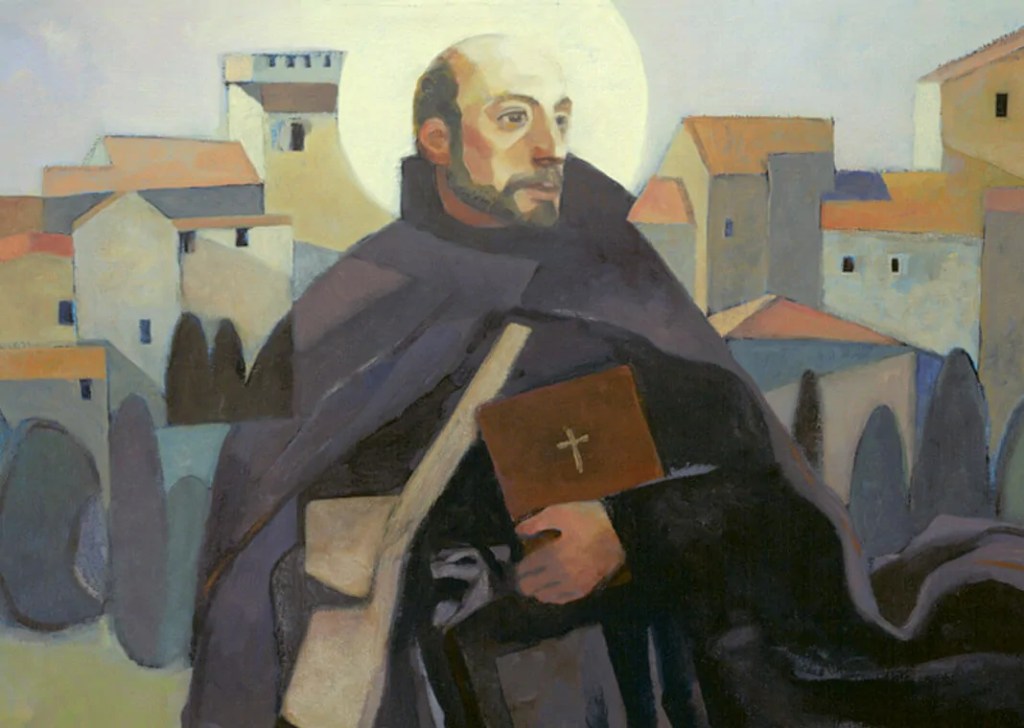
Image from Ignatianspirituality.com
I shape the narrative to fit historical truth, not altering facts to suit the story.
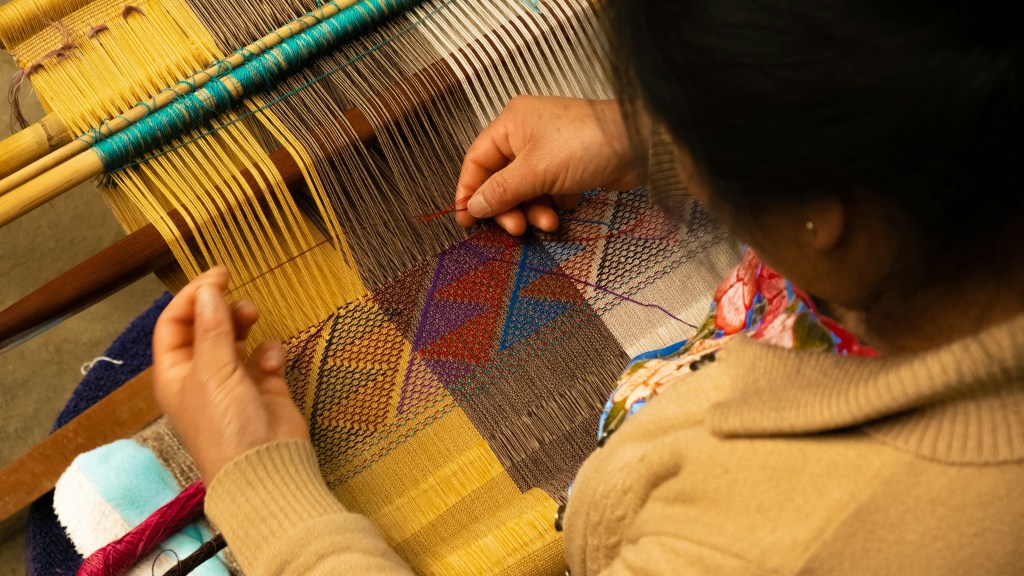
Photo by ALAN DE LA CRUZ on Unsplash
My creativity is the weft threads, sometimes known as the filler, which are passed over and under the warp threads to create the fabric’s pattern.
The text is unchanging, but in writing Biblical fiction, we respond and engage with it in a contemporary and creative way.
Ignatian contemplation seeks to fill the mind with thoughts and emotions to connect deeply with God.
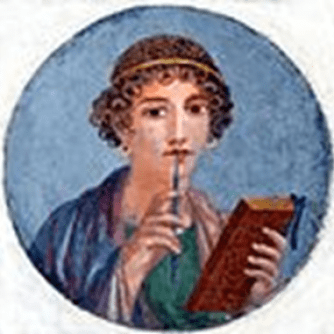
Trust that he [God] will use your imagination.

Susan Sutherland is the author of the Leaving Bethany Trilogy. To buy Leaving Bethany, Return to Caesarea and Advance from Antioch please go to the buy page.
If you like Susan’s blogs sign up for the mailing list and receive a free copy of The Aemilia Metella Interviews.


is that is also what is called Lectio divina?
LikeLike
Thanks for the question, and I’m not an expert in either of these approaches. Though both are prayerful approaches to reading the Bible, they differ in their methods. Lectio Divina, meaning divine reading, is a slow, meditative reading of Scripture, progressing through reading, prayer and contemplation, and leading to a deeper relationship with God. As I wrote in this blog, Ignatian contemplation uses imagination to enter into the gospel stories, to engage with the characters with the aim of a personal encounter with Jesus. I hope this helps.
LikeLiked by 1 person